
Understanding Market Trends for Better Trading Decisions
Learn how to identify market trends in this beginner's guide. Discover the types of trends, their importance in trading, and how to make smarter trading decisions for success in investing.
12/9/20262 min read
What Is a Market Trend?
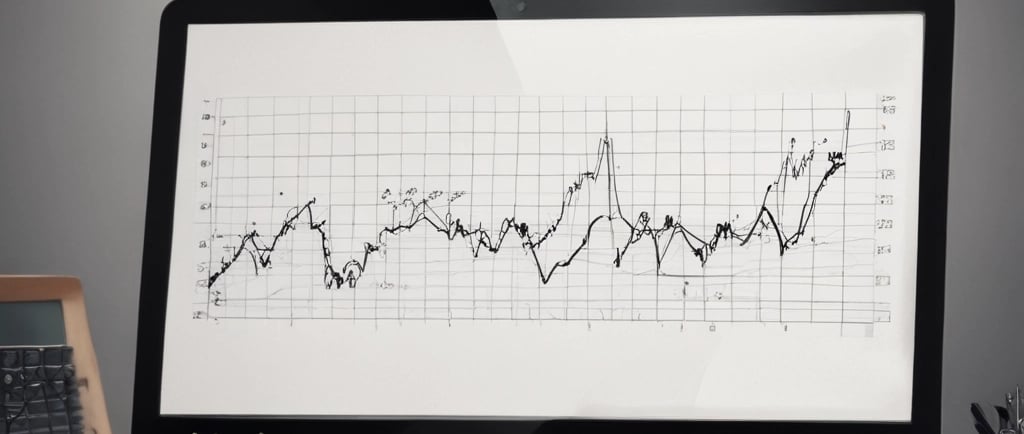
A market trend is the general direction in which the price of a stock, index, or any financial instrument is moving over a period of time. Instead of focusing on small price movements, trends help you understand the bigger picture of the market.
Simply put:
If price is moving up consistently → Uptrend
If price is moving down consistently → Downtrend
If price is moving sideways → Sideways trend
Types of Market Trends
1. Uptrend (Bullish Trend)
An uptrend occurs when prices keep making higher highs and higher lows. This indicates strong buying pressure. Traders usually look for buying opportunities in an uptrend.
2. Downtrend (Bearish Trend)
A downtrend happens when prices keep making lower highs and lower lows. This shows strong selling pressure. Traders often look for selling or shorting opportunities here.
3. Sideways Trend (Range-Bound Market)
In a sideways market, prices move within a fixed range without a clear direction. This is common during low volatility periods.
Why Understanding Market Trends Is Important
Understanding trends helps you:
✅ Trade in the direction of the market
✅ Avoid unnecessary losses
✅ Improve your accuracy
✅ Reduce emotional trading
✅ Increase long-term profitability
The famous rule says: “The trend is your friend.”
How to Identify Market Trends (Simple Methods)
1. Using Price Action
Look at the chart:
Higher highs + higher lows = Uptrend
Lower highs + lower lows = Downtrend
Same highs + same lows = Sideways
This is the most basic and powerful method.
2. Using Trendlines
Draw a line connecting:
Lows in an uptrend
Highs in a downtrend
If price respects the trendline, the trend is still strong.
3. Using Moving Averages
Moving averages help smooth out price noise.
If price stays above the moving average → Uptrend
If price stays below the moving average → Downtrend
Common moving averages: 20, 50, and 200 periods.
4. Using Market Strength & Momentum Tools
Professional traders use advanced tools that analyze:
Trend strength
Momentum
Breakouts
Entry and exit levels
These tools reduce guesswork and improve confidence.
Common Mistakes Beginners Make with Trends
❌ Trading against the trend
❌ Entering late without confirmation
❌ Ignoring higher timeframe trends
❌ Overtrading in sideways markets
❌ Relying only on one indicator
Avoiding these mistakes can improve your results quickly.
Best Timeframes to Analyze Market Trends
Long-term trend: Daily & Weekly charts
Swing trading trend: 1-hour to 4-hour charts
Intraday trend: 5-minute to 15-minute charts
Always confirm the higher timeframe trend before taking lower timeframe trades.
Trend vs Reversal: Know the Difference
Many beginners confuse a small pullback with a full trend reversal. A true trend reversal usually shows:
Trendline break
Lower highs in an uptrend
Higher lows in a downtrend
Weak momentum
Never assume a reversal without confirmation.
Final Thoughts
Understanding market trends is the foundation of successful trading. Whether you are a beginner or an experienced trader, trading with the trend can:
✅ Increase success rate
✅ Improve confidence
✅ Reduce losses
✅ Build long-term consistency
Instead of predicting the market, learn to follow the trend and react smartly.